



Pain during sex is common, and it is not something you have to live with. Doctors call it dyspareunia, and it is a symptom with a cause rather than a diagnosis on its own. Low estrogen, an infection, tight pelvic muscles, or a condition such as endometriosis can each be behind it, and each is treated differently. That is why the most useful thing you can do is notice where and when it hurts, then bring that to a gynecologist who will take it seriously. At MAIA Gynecology in Downers Grove, that conversation is a routine part of care, and nobody will treat it as awkward.
Where It Hurts Is the First Clue
Patients often describe painful sex in one of three ways, and each points toward a different set of causes. Many people have more than one.
Pain at the opening, or on entry
Burning, stinging, or tearing at the start of penetration often comes from the vulva or the vaginal opening. Common causes include dryness, irritation, an infection, a skin condition such as lichen sclerosus, vulvodynia (ongoing vulvar pain without a visible cause), or vaginismus, where the muscles around the vagina tighten involuntarily.
Deep pain with thrusting
An ache felt deeper in the pelvis is more often linked to the uterus, ovaries, or surrounding tissue. Endometriosis is a classic cause. Fibroids, ovarian cysts, and pelvic inflammatory disease can also cause it.
Soreness that lingers afterward
Rawness, cramping, or aching that lasts hours after sex can follow from either group, and from muscle tension that builds when sex has hurt before. Pain tends to make the body brace, and bracing makes the next time hurt more.
Low Estrogen, Infection, and Other Common Culprits
A few causes come up again and again in a gynecology office.
Lower estrogen. Perimenopause, menopause, breastfeeding, and some hormonal contraceptives can lower estrogen, leaving vaginal tissue thinner and drier. For many patients past menopause, low-dose vaginal estrogen or menopause hormone therapy is part of the conversation.
Infections. Yeast infections, bacterial vaginosis, and sexually transmitted infections can inflame the tissue. Testing, including STD screening, helps identify them.
Muscle tightness. Vaginismus and other forms of pelvic muscle tension are real, physical causes, not something that is “in your head.”
Birth control. If pain began after starting a new hormonal method, mention it. Switching methods is sometimes part of the fix.
MAIA treats a wide range of vaginal issues, including dryness, vaginismus, vaginitis, and Bartholin’s cysts, all of which can make sex uncomfortable.
Signs Pain During Sex Needs a Closer Look
Many people wait years before mentioning painful sex, often because they assume it is normal or feel embarrassed. It is worth an appointment if you notice any of the following:
Pain that is new, getting worse, or happening most of the time
Bleeding after sex, unusual discharge, or a change in odor
Pain that has started to change whether you want to be intimate
A lump, bulge, or sore spot near the vaginal opening
Pelvic pain or very painful periods along with pain during sex
If you are unsure whether it is worth a visit, the uncertainty is reason enough. An appointment is the quickest way to start narrowing down the cause.
What Happens at the Appointment
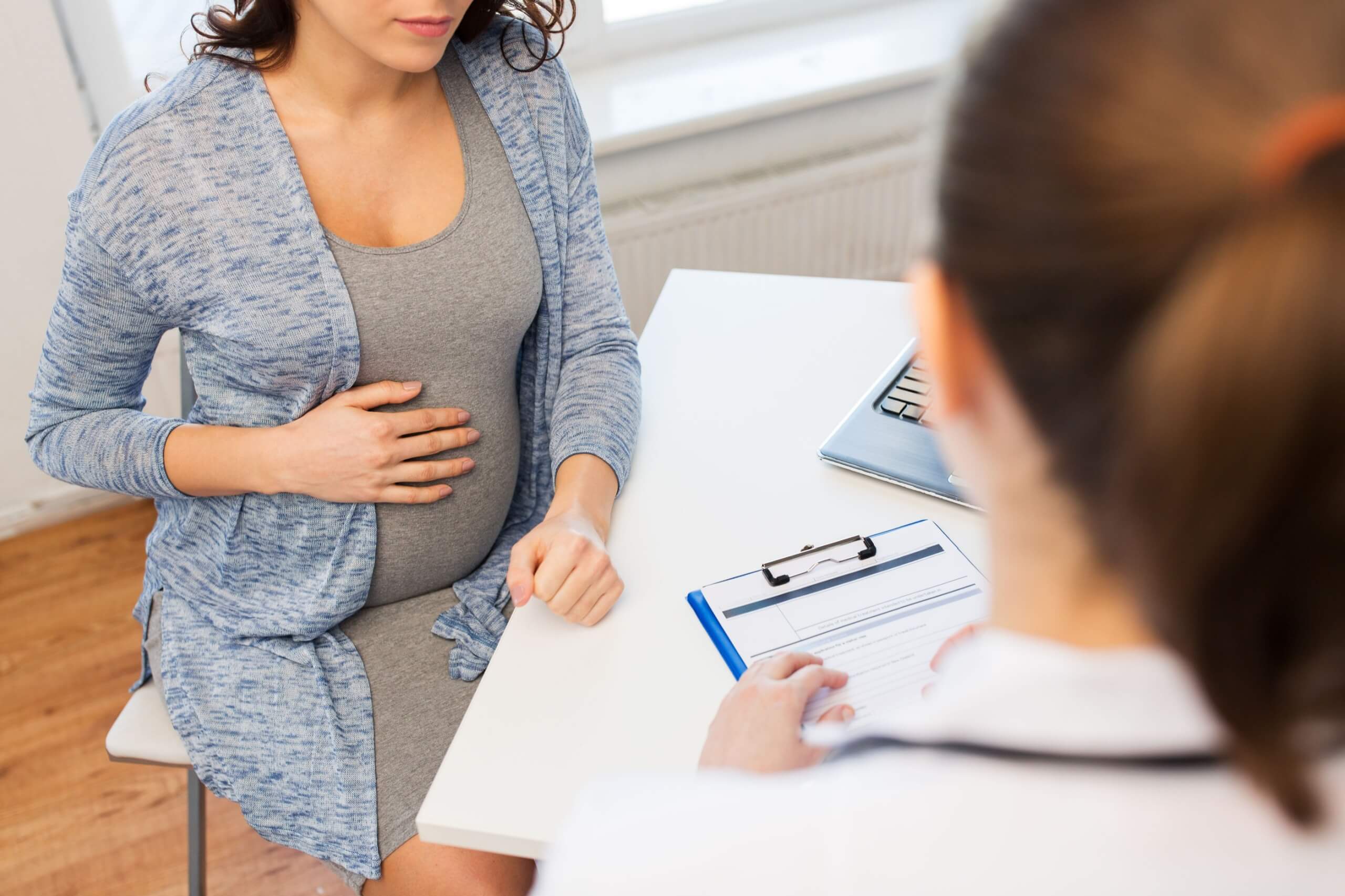
Your provider will start with questions: where the pain is, when it started, whether it happens every time, and whether anything makes it better or worse. Information about your cycle, contraception, recent childbirth, or menopause symptoms all helps. You decide how much to share and at what pace.
A pelvic exam is usually next, done slowly and with your consent at each step. If an exam itself is painful for you, say so; your provider can adapt it or pause. Depending on what they find, they may recommend swabs for infection, a Pap smear if you are due, or a pelvic ultrasound to look at the uterus and ovaries.
Treatment depends entirely on the cause. It may be a vaginal estrogen, a treatment for an infection, a change of contraception, a referral for pelvic floor physical therapy, or a plan to manage a condition like endometriosis. Many patients improve once the underlying cause is addressed, though how quickly varies from person to person.
Talking About It Without Feeling Rushed
Painful sex is personal, and it touches relationships and self-confidence as well as the body. MAIA was built as a boutique practice where you get one-on-one time with your provider. Our board-certified gynecologists, Dr. Karen Wolowick, DO, Dr. Susan Mitchell, and Dr. Colleen Skay, and Ashley Cox, PA-C, a board-certified physician assistant, see patients from Downers Grove, Lombard, Naperville, and the surrounding suburbs.
Sensitive Questions, Straight Answers
Is painful sex permanent?
Usually not. Because dyspareunia is a symptom, it often improves once the cause, whether hormonal, infectious, muscular, or structural, is found and treated. Your provider will give you realistic expectations for your situation.
Can I start with a telehealth visit?
Yes. Talking through your symptoms by video can be a comfortable first step, and your provider will tell you if an in-person exam is needed. Telehealth visits are available to patients located in Illinois at the time of the appointment.
Could the pain be connected to trouble getting pregnant?
Sometimes. Conditions like endometriosis and pelvic inflammatory disease can cause both. If fertility is on your mind, raise it at the same visit so both can be evaluated together, alongside our fertility care.
What should I bring to my first appointment?
A short note on when the pain started, where you feel it, and any patterns you have noticed, plus a list of your medications and supplements. New-patient paperwork can be completed online before you arrive.
Are lubricants or moisturizers enough?
For mild dryness, a water- or silicone-based lubricant during sex and a vaginal moisturizer used a few times a week can help a lot. If pain continues even with them, or if you also notice burning, discharge, or bleeding, it is time for an exam rather than another product.
Is pain after having a baby normal?
Some discomfort while tissue heals after childbirth is common, and breastfeeding can lower estrogen and cause dryness for months. Pain that is not improving, or that makes you avoid sex altogether, is worth raising with your gynecologist rather than waiting it out.
Your Comfort Is a Medical Priority
You deserve a sex life that does not hurt, and a provider who treats that goal as worth pursuing. Request an appointment online, or if you would rather talk to someone first, give our office a call.


Ask Us A Question
Need more information? Please give us a call at (630) 320-6703 and someone from our team will be in contact with you soon.
Patient Resources